|
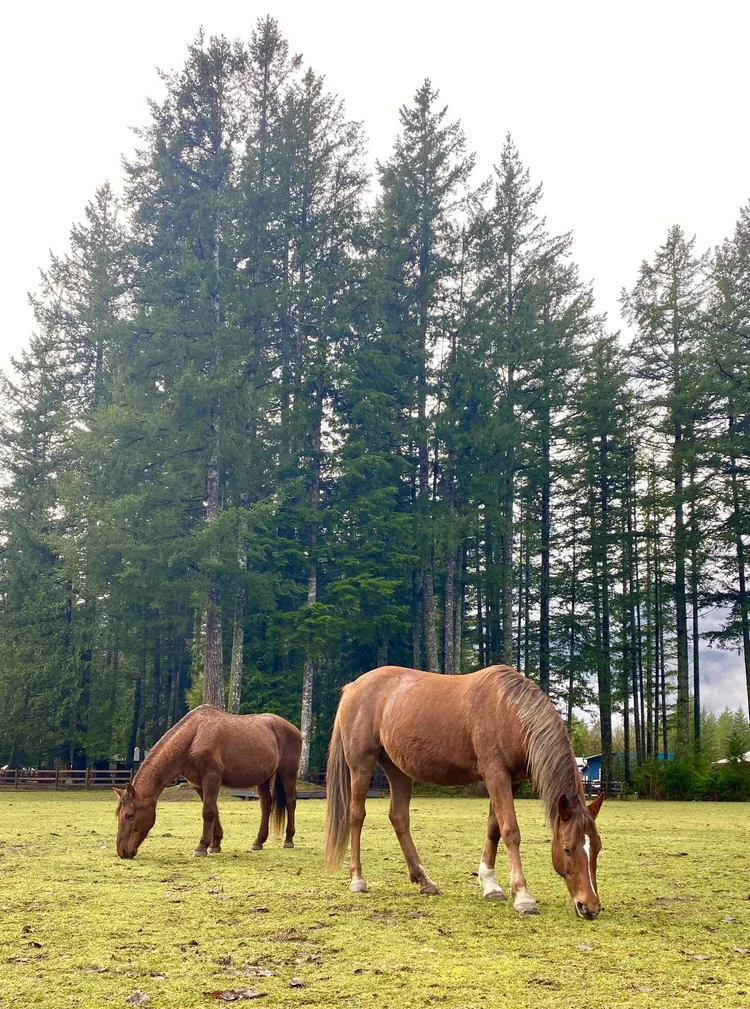
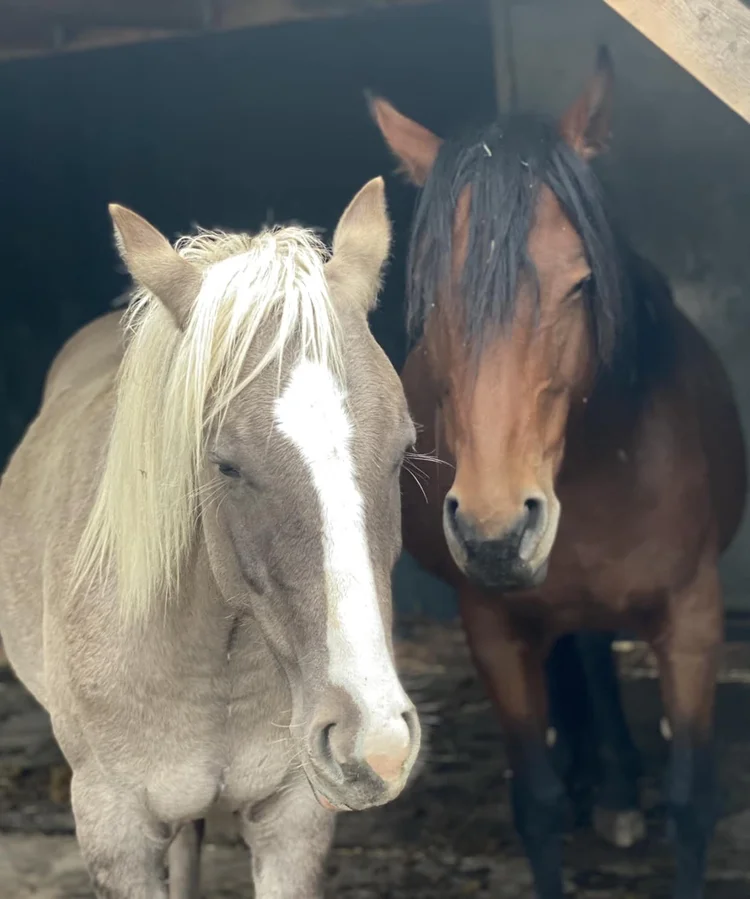
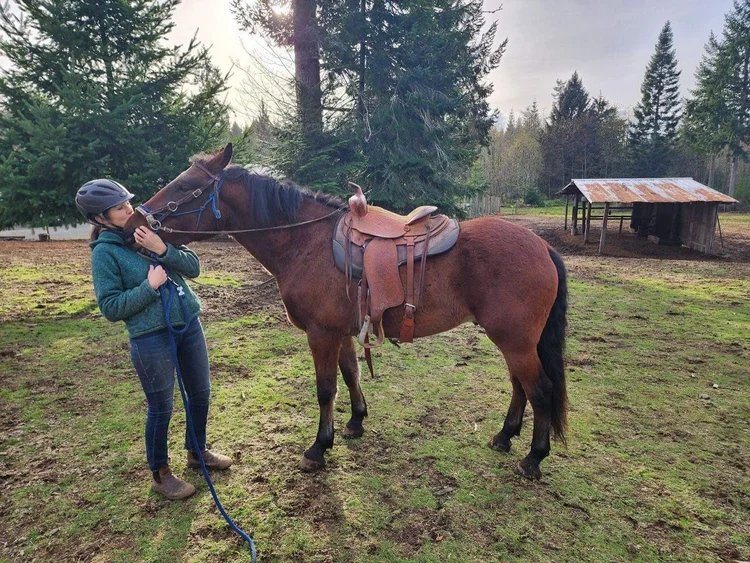
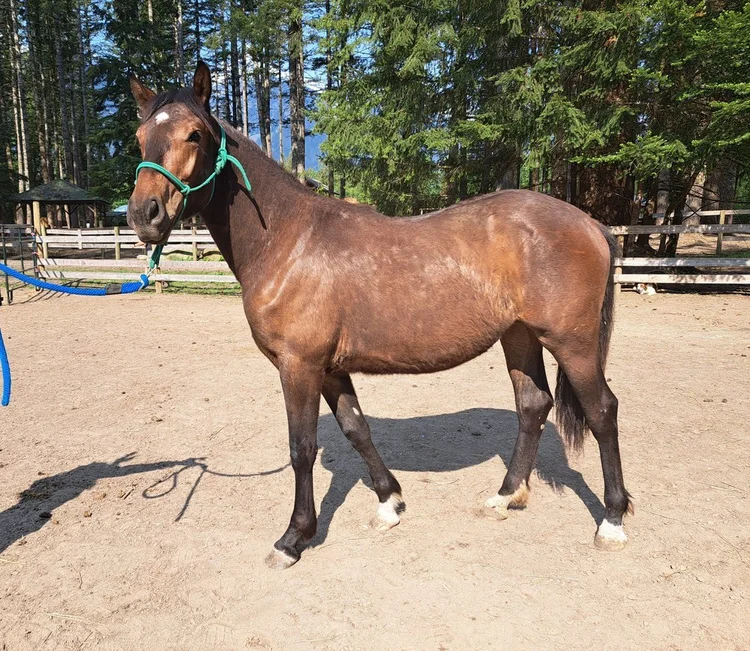
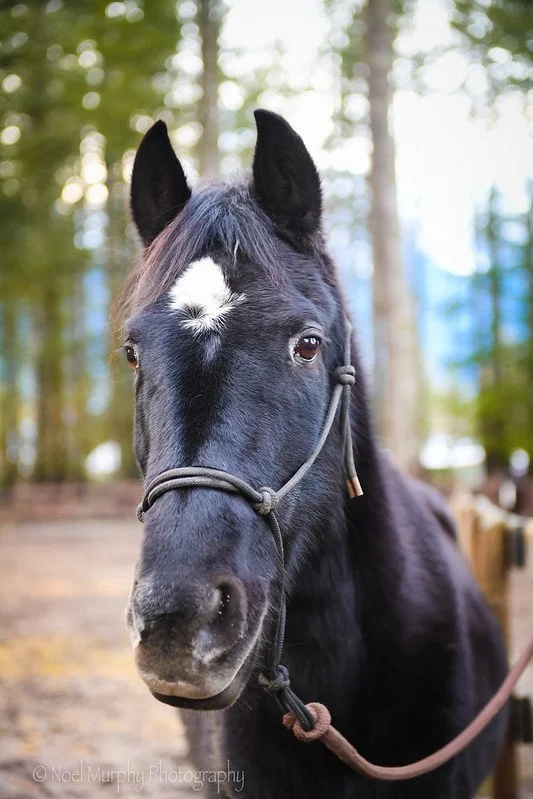
As days get shorter and nights become cooler, horses grow a new, longer hair coat. These winter hairs stand up, trapping tiny air pockets between them. The effect is like that of a thick, down-filled comforter with tremendous insulating quality. The horse also needs a full mane and tail if it’s spending time outside. Standing with it’s rump to the wind, it’s tail protects it’s delicate underparts and the horse can lower it’s head so the rest of the body can be shielded. Oils in the hair coat help it shed moisture. In a snowstorm in cold temperatures that is comprised of dry snow, moisture freezes on the outer surface of the hair coat and never reaches the horse’s skin. The insulating air pockets don’t allow body heat to escape, so snow on a horse with normal winter hair won’t melt or make the horse wet. In cold, wet weather, horses should have shelter where they can escape the rain or snow. If it’s wet, horses need some trees or an open-sided shed they can get under. A waterproof blanket can be very useful also. In areas where winters are long, temperatures are below freezing for long periods of time, or just above freezing but rainy, horses that are thin, immunocompromised, geriatric horses, those that don't grow a thick haircoat or who live outside 24/7 with no access to shelter should be blanketed. Source: The Horse, Your Guide to Equine Healthcare
|