|
info@secondchancecheekyeranch.com͏ ͏ ͏ ͏ ͏ ͏ ͏ ͏ ͏ ͏ ͏ ͏ ͏ ͏ ͏ ͏ ͏ ͏ ͏ ͏ ͏ ͏ ͏ ͏ ͏ ͏ ͏ ͏ ͏ ͏ ͏ ͏ ͏ ͏ ͏ ͏ ͏ ͏ ͏ ͏ ͏ ͏ ͏ ͏ ͏ ͏ ͏ ͏ ͏ ͏ ͏ ͏ ͏ ͏ ͏ ͏ ͏ ͏ ͏ ͏ ͏ ͏ ͏ ͏ ͏ ͏ ͏ ͏ ͏ ͏ ͏ ͏ ͏ ͏ ͏ ͏ ͏ ͏ ͏ ͏ ͏ ͏ ͏ ͏ ͏ ͏ ͏ ͏ ͏ ͏ ͏ ͏ ͏ ͏ ͏ ͏ ͏ ͏ ͏ ͏ ͏ ͏ ͏ ͏ ͏ ͏ ͏ ͏ ͏ ͏ ͏ ͏ ͏ ͏ ͏ ͏ ͏ ͏ ͏ ͏ ͏ ͏ ͏ ͏ ͏ ͏ ͏ ͏ ͏ ͏ ͏ ͏ ͏ ͏ ͏ ͏ ͏ ͏ ͏ ͏ ͏ ͏ ͏ ͏ ͏ ͏ ͏ ͏ ͏ ͏ ͏ ͏ ͏ ͏ ͏ ͏ ͏ ͏ ͏ ͏ ͏ ͏ ͏ ͏ ͏ ͏ ͏ ͏ ͏ ͏ ͏ ͏ ͏ ͏ ͏ ͏ ͏ ͏ ͏ ͏ ͏ ͏ ͏ ͏ ͏ ͏ ͏ ͏ ͏ ͏ ͏ ͏ ͏ ͏ ͏ ͏ ͏ ͏ ͏ ͏ ͏ ͏ ͏ ͏ ͏ ͏ ͏ ͏ ͏ ͏ ͏ ͏ ͏ ͏ ͏ ͏ ͏ ͏ ͏ ͏ ͏ ͏ ͏ ͏ ͏ ͏ ͏ ͏ ͏ ͏ ͏ ͏ ͏ ͏ ͏ ͏ ͏ ͏ ͏ ͏ ͏ ͏ ͏ ͏ ͏ ͏ ͏ ͏ ͏ ͏ ͏ ͏ ͏ ͏ ͏
SCCR Newsletter, Issue #22 - September, 2024
|
Second Chance Cheekye Ranch: Rescue, Rehabilitate, RehomeSecond Chance Cheekye Ranch is a sanctuary for horses, donkeys, mules, hinnies, pot-bellied pigs and dogs. Ask any volunteer around the ranch and you will hear a tale of how this incredible place has changed not only the lives of all the animals who call it home, but also the lives of the people who dedicate their time and energy to giving these animals a second chance.
|
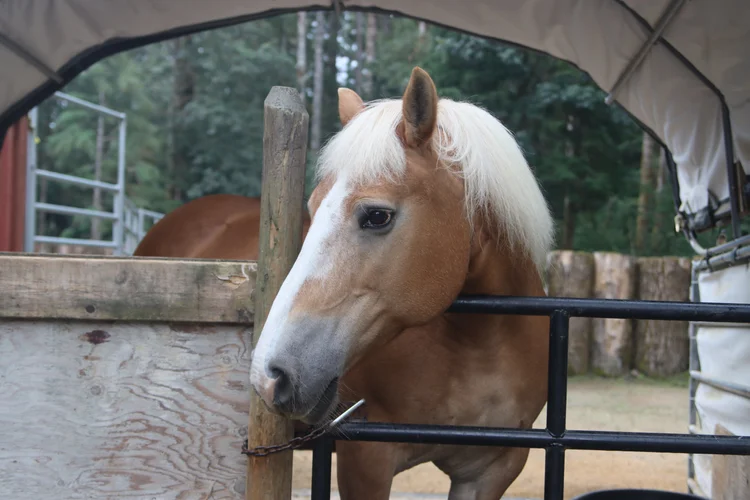
Crisis Close to HomeOur focus changed abruptly this month – and we hope temporarily. We were preparing to bring in more rescues from Alberta when Second Chance Cheekye Ranch’s Kris Latham suddenly began getting calls from people closer to home needing to surrender their horses asap. “In the last 12 to 13 months, we’re really seeing that the economy is shifting, and animal welfare is getting the short end of the stick. SCCR is getting swamped with requests to take animals from folks who simply can’t look after them anymore.” Four horses arrived at the ranch in mid-August. 2 were Cheekye alumni which meant that, contractually, they had to be returned to SCCR should their adoptions break down for any reason. Jewel left us 5 years ago to go to a great home but a downturn in family finances due to divorce has caused her to be reluctantly relinquished back into our care. Jewel is a gorgeous Haflinger with no bad habits who loves children and loves to be loved on. Now 21 years old, she comes with some medical maintenance but nothing drastic, so we hope and expect that she’ll find a truly forever home before too long – of course once we’ve checked her out thoroughly and given her some time to recover from the abrupt change in her life.
|
|
Thompson, like the river, was part of the roundup of 18 wild colts from the Pemberton area who came to SCCR in 2017. He was the youngest of the bunch when he came in and was adopted quite quickly, as a yearling. Thompson was returned because his owner’s life was going pear-shaped. Not enough time to spend with the animals and the growing feeling that Thompson deserved better. We’ll treat him like the prince he is while he’s back with us and while we work with him and carefully search out a hopefully permanent home. Given that he’s young, gorgeous and a good boy, this shouldn’t be a difficult task! As August comes to an end and autumn approaches, there are another 7 horses, so far, needing homes prior to winter. These aren’t Cheekye graduates, they’re strangers to us, but it’s the same story - the owners can’t look after them anymore. Of course, our dilemma is about what happens to horses we can’t grab from auction because we’ve got a full house. Too many end up on the meat market. But one of the owners wanting to relinquish tells us that they’re considering putting their horse down. Another person, with two horses, has already said: “My other option is to take them to auction.” For now, we’re helping BC horses who’ve been relinquished. And hoping that the situation changes soon. These are terrible choices to make.
|
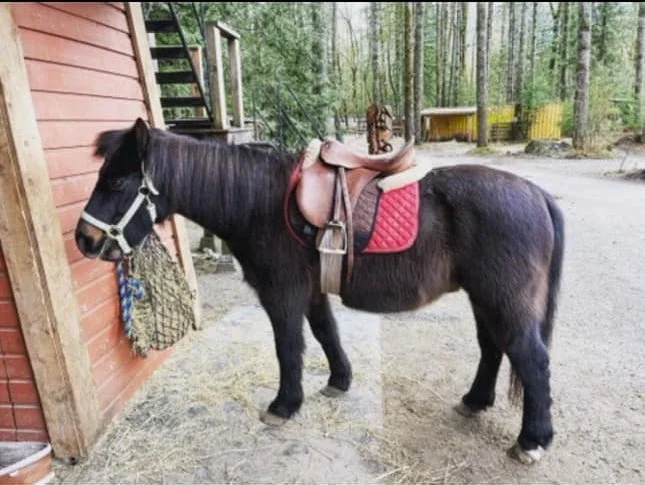
Happy EndingsWe’ve also got good news to report! Two adoptions in the past month to great homes. 20-year-old Shiloh came to us two years ago in a big group of horses that were rescued from auction. We were told he was ready to ride. Oops! Not quite. We couldn’t halter him for the longest time. He was a quirky little guy, headstrong and always wanting to eat. He’d yank volunteers around, trying to get every blade of grass. But Shiloh was so darn lovable that a number of volunteers befriended him, and he started doing lessons with a 7yr old volunteer. He turned around into a very good boy and has been adopted as a companion horse and also a “grandchild” pony. His new owner came to the ranch looking at a totally different horse but fell in love with Shiloh.
|
|
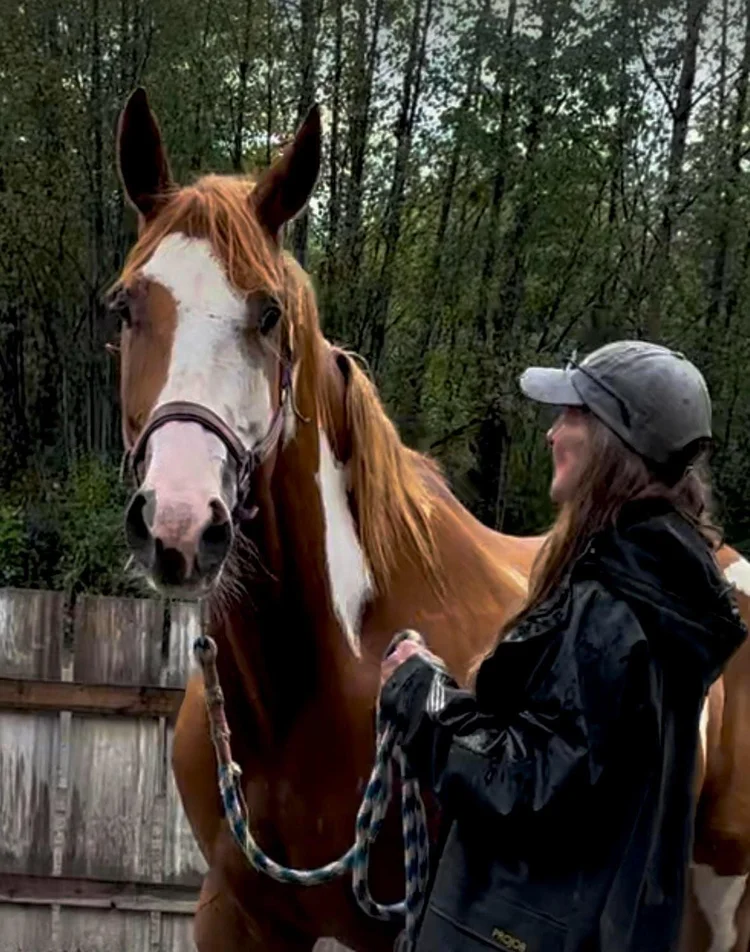
Tansy came in with her mom Reba. Our rescue partner, Horse Heroes Alberta, had purchased two pregnant mares at auction and this amazing foursome came to SCCR when the foals, Tansy and Prada, were about 5 months old. It was an absolute joy having those little girls here; they were the stars of Cheekye. And it was good for all of us to have babies on board, youngsters who hadn’t experienced trauma and were experiencing the world only with people who cared about them. They might have received a little too much attention in the early months! But then we started working with them and Tansy quite easily learned the basics for a SCCR-adoptable horse - to load, pick up feet, yield, stop, whoa, back up. We’re so happy that she’s gone to an amazing home with a family who already has one SCCR graduate. The adult daughter of this family recently lost her heart horse and wasn’t planning on a replacement – until she saw our Tansy! We miss her, of course. Tears were definitely shed upon her departure, especially as Kris listened to mama Reba calling her good-byes.
|
|
Willow (formerly Tansy) with her new person
|
|
“The stimuli by which the mare and foal learn to recognize each other during the bonding process include visual, auditory and olfactory cues. A 1972 study of wild ponies considered that foals learn the specific nicker of their dams, and that this sound helps foals locate their dams while in close proximity. Another study determined that mares and foals take longer to find each other after separation when either sight or smell is impaired, and longer still when both of these senses are masked at the same time. It is during the critical hours after birth that the mare learns to identify her foal using these senses. Perhaps you’ve heard about mares that become uncharacteristically aggressive toward other horses or human handlers when a foal arrives on the scene. Mares with strong maternal drives will often behave aggressively to protect their foals from anything they perceive as a potential threat, but this behavior also occurs because foals may need several days to learn to recognize their dams. During this time of uncertainty, foals will follow just about anything that moves. Mares are driven to protect their foals from following other animals, including humans, that may try to “steal” their foals away. If a mare is not vigilant during this time, a phenomenon known as mismothering might occur in which another animal successfully adopts and attempts to raise her foal. Mares and foals are typically in close proximity to each other during the first days and weeks of life. Horses are considered a follower species, which like to keep their neonates nearby at all times, in contrast to animals such as deer, which are part of a hider species that tends to stash their young in hiding places and leave them there during grazing.” Source: Horse Illustrated
|
|
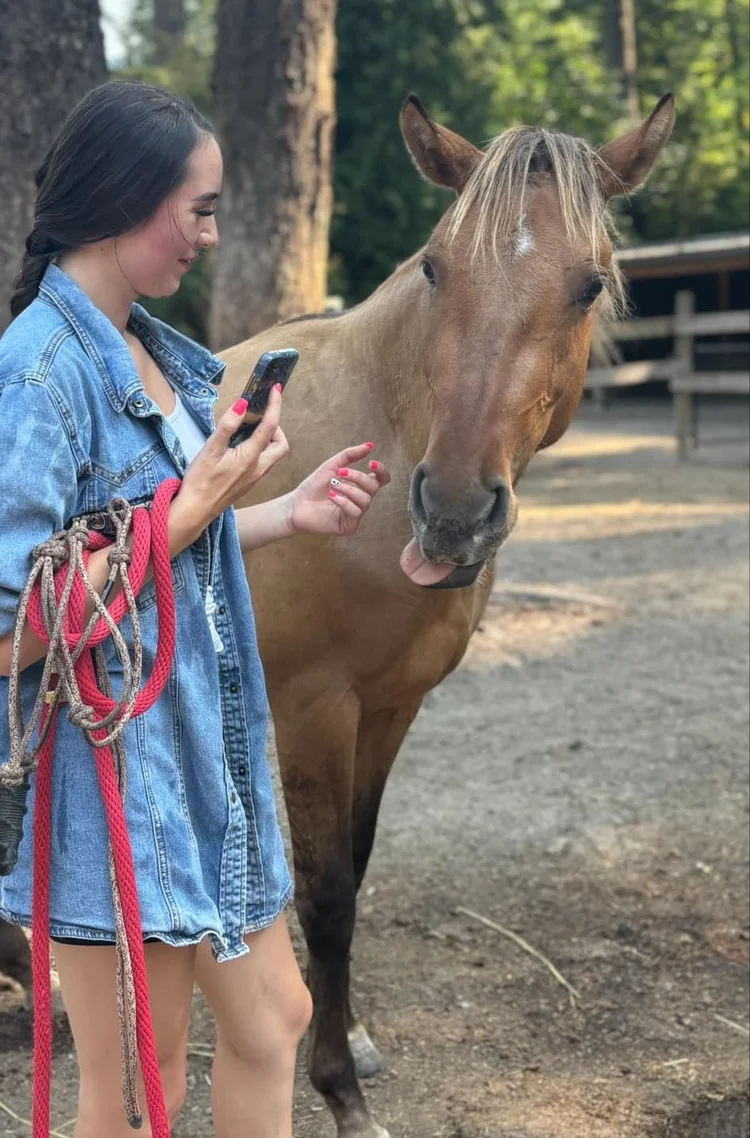
Thank you to Susan T who is not only sponsoring Dancer, but is also her groom and grazer. Assisting with her monthly cost AND giving her lots of love and care. She is also one of our committed weekly volunteers at the ranch. We are grateful for you Susan, and Dancer is as well!
|
|
For more information about sponsoring a horse or to make a one-time donation click here or email sccrsponsorahorse@gmail.com
|
|
To help the rescue: Donate here to contribute towards saving these incredible animals. Learn more about the fate of horses who are not rescued, and how to advocate. Book a tour to learn more about the ranch and meet some of the horses who have been saved. Volunteer at the ranch. No horse experience necessary.
|
|
|
|